loading...

صنایع دستی در جهان

بازدید : 24
شنبه 11 شهريور 1402 زمان : 11:15

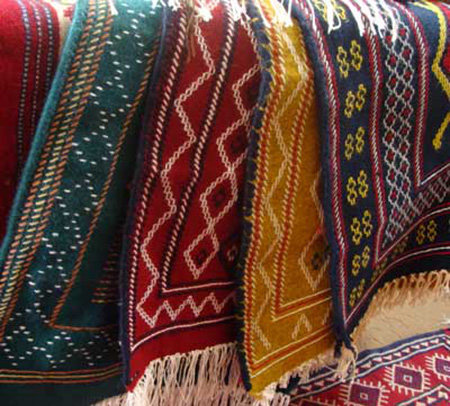
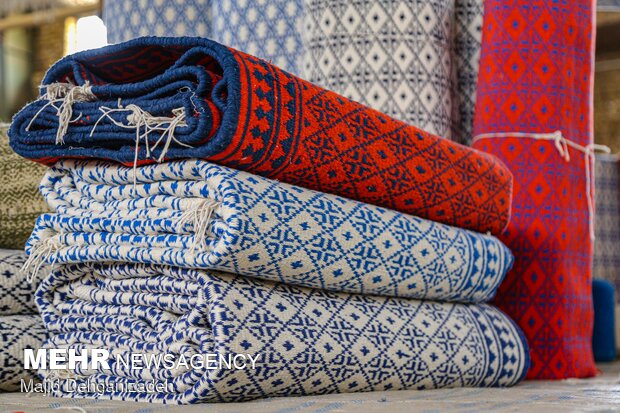
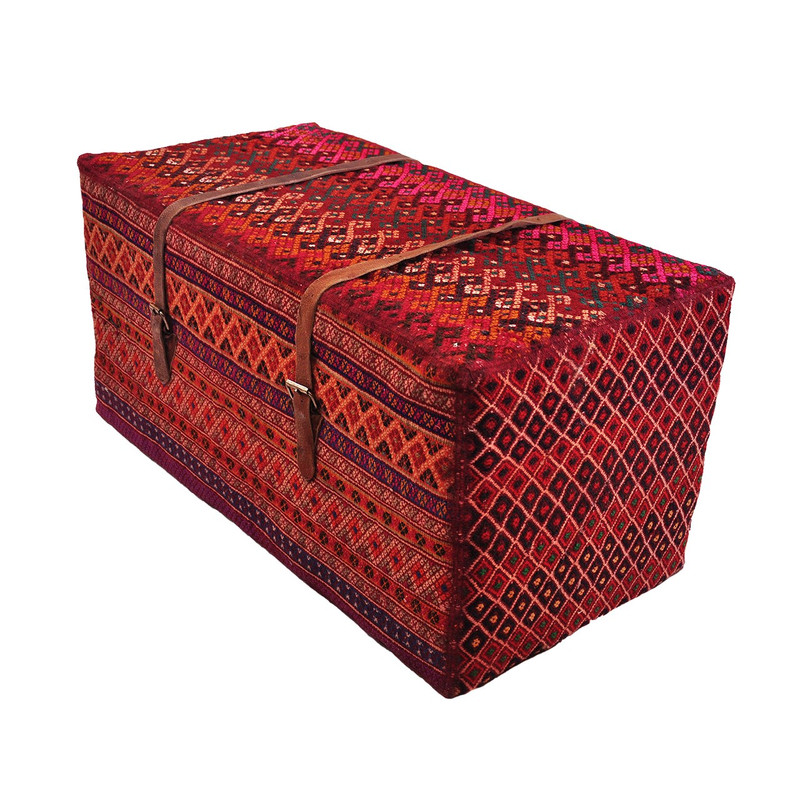
The roots of carpet weaving can be found in Central Asia, Eastern Europe, the Middle East and Africa among the nomads. In fact, wherever animal husbandry was going on, carpet weaving was also formed; Because the history of this art has a deep connection with the lifestyle of livestock breeders. Therefore, wherever there is a concentration of livestock breeders, such as in some areas of Iran, you can find a school of Iranian carpet weaving.

Many people believe that since carpet weaving is easier than carpets, probably the people of ancient times first weaved carpets and later thought of carpet weaving. The oldest rug in the world was found in ancient Egypt, and historians believe that the people of the world have been able to weave rugs since 2500 BC. Around the same time when humans figured out how to spin goat and sheep wool and turn it into yarn.

Currently, except for Iran, China, India, Pakistan and Turkmenistan are among the most important carpet weaving centers in the world. In Afghanistan, this type of rug is called a carpet like in Iran, and at one time it was called Chilim. Caucasian people call it Badas and in Syria and Lebanon it was known as Liyat.

Earlier in the history of Iran's hand-woven carpet, we said that the carpet in this land was borrowed by the nomads who roamed the Iranian plateau. Therefore, carpet weaving in Iran has an ancient history and you can see all kinds of carpet weaving in Iran.

Differences between rugs and carpets

Many buyers ask sellers what is the difference between a carpet and a rug? Putting a hand-woven carpet and a hand-woven rug together reveals their differences well, and maybe no explanation can clarify the issue for you as well as this visual experience. However, as a more specialized explanation, here are some of the differences between carpets and rugs.

  • The most important thing that makes the carpet different from the carpet is the pile issue. Handwoven carpets have piles and rugs do not. Pile is what gives dimension to the carpet. In fact, if you put a rug and a carpet together, you will see that the carpet has a dimension and the woven knots give the carpet a dimension with the help of piles. But this is not the case in the carpet and you can see the woven knot on the warp and weft.
For this reason, the carpet is a softer and more comfortable product to sit on, and it has this advantage over the rug.
  • The next issue is the difficulty of weaving and the time it takes to weave a carpet and a rug. Rugs are much easier to weave than carpets and are finished much sooner. For this reason, carpet texture may be more economical;
  • Another important difference is that the price of the carpet is significantly different from the rug and is much more expensive, especially the hand-woven carpet.
  • Rugs are woven on horizontal looms and carpets are generally woven on vertical looms, and this is another difference between this carpet and rug.
  • Also, the next issue that makes a big difference between carpets and rugs is the dimensions of these two products. Rugs are often not so big and unlike carpets, they can play the main role of the house for design and are usually thrown in the margins.
  • The small and different dimensions of the rugs make them often used to cover the floors of small rooms, corridors and corners of houses.

Types of Iranian carpet weaves

There are several general categories to recognize the types of Iranian carpet weaves. Carpets are divided into the following three categories based on the type of texture:

  • Simple woven rug
  • A prominent carpet
  • Varnish rug

Weaving locations of Iranian rugs

Also, rugs, like carpets, can be classified based on the geographical location of their texture:

  • Harsin rug
  • Balochi rug
  • Mazandaran carpet
  • Glim Shahson
  • Qashqai rug
  • Gilim Sane
  • Afshar rug
  • Glim Lori
  • Glim Khamsa
  • Gilim Zarand
  • Turkmen rug
  • Amber rug

Khamse rug - types of Persian rug weaves

Format of Iranian carpet texture

Also, rugs can be classified according to their texture format in a much more detailed way.

  • A carpet with a tar texture
  • Rug with weft texture
  • Biased rug

Iranian hand-woven weft rug

Weft rugs also have four more detailed categories:

  • Simple rug
  • sumac rug
  • Garment hanging fabric
  • A prominent carpet

Kashan's outstanding carpet - types of Persian carpet weaves

Iranian hand-woven carpet

Biased carpets are also divided into two categories:

  • Weaving wheel
  • wave weave

The history of hand-woven Iranian rugs

As we said, the history of carpets has a deep connection with the history of nomadic life and the desert. This beautiful product was used as the underlay of tents, a salable asset and a valuable reserve, a means of carrying goods on animals in the sense of camels and the like, as well as instead of doors and windows of tents and as a means of protecting tents and campers from the cold.

The prosperity of carpet weaving had increased so much throughout history that in the 17th and 18th centuries in the central plateau of Iran, it was considered as an inseparable part of the dowry of girls, and Farahani cities were known as the center of carpet trade and had a great impact on the trade and economy of the cities.

At this time, every village that had a carpet production workshop meant that a large clan or a tribe of nomads had settled there and led a sedentary life. The same process of settling down and turning to urban life caused changes in the structure of rugs.

Later, the public interest in rugs and finding their way to the world markets caused a wave of changes in the texture of rugs and their designs. In such a way that traditional rugs could only be seen in more traditional areas far from modernity.

Afghanistan, which is one of the most closed countries in the region; Due to this lack of communication and traditional life, it is one of the last areas where old traditions of carpet weaving can still be found. In contemporary Iran, the establishment of Mustarfa Industrial School caused a revolution in carpet weaving.

Workshops for carpet weaving were also prepared in this school, and experienced professors from around Iran gathered to train the students. Professor Isa Bahadri is one of the most important students raised in this school, who is an important and influential figure in the contemporary history of weaving, especially the carpet of Iran.

Balochi handwoven rug - types of Persian rug weaves

The most important carpet weaving cities

In general, all the cities that were on the path of movement of Iranian tribes and nomads are now centers for carpet production. Nowadays, you can find carpet weaving workshops in many cities of Iran; But perhaps the most important carpet weaving cities are:

  • Zanjan
  • Mazandaran
  • Shiraz
  • Sari
  • Sanandaj
  • Sirjan
  • Harsin
  • Zabul

Zanjan rug

For example, in the northwestern and western regions of Iran, you can find Shahsoon carpets in abundance. Zanjan is one of these centers and you can easily find beautiful Shahson rugs that are hand-woven by the survivors of the great Shahson clan.

Woven rugs are also used as a covering for horses in this area, and it is very common among local horsemen to buy rugs to throw over their horses.

Five tribes lived in the south of Iran with the names of Inanlu, Baharlu, Shibari, Jabareh and Mesir which were known as this Khamsa. The residents of this tribe weave one of the most famous rugs in Iran, which is known as the Khamse rug , and now it can be found in Shiraz. This rug is also included in the category of sumac rugs.

In the texture of this rug, dark colors and rhombus designs are used, which are derived from celestial objects. Of course, now and with changing tastes, you may also find carpets with a bright background among Khumsa rugs.

Mazandaran carpet

Carpet weaving and Jajim weaving in Mazandaran also had a great prosperity for a long time. Kerchal was a machine and a workshop where village women wove rugs and rugs, and many examples of it can still be seen in areas such as Alasht, Lafur, and Hajar Jarib.

In Mazandaran, due to high humidity, it was customary to cover the floor of the house with felt and then cover the felt with carpet. Also, in forest and wooden houses, carpets were used to cover the wall and protect the house from the cold outside. Now, many carpets are woven in Alasht Swadkoh. Also, in the more traditional areas of Mazandaran, such as Belde, Iranian carpet weaving is still popular. Their big sales market is still big cities like Sari.

Sanandaj rug

Sanandaj is one of the most important Iranian carpet and rug weaving centers. As Sane carpets and even sometimes Sane knot were very famous at one time. The policies of some Iranian kings regarding the migration of Kurds and their forced settlement in the north and east of Iran caused them to take the weaving culture with them to different cities.

The result of this migration can be clearly seen in the north of Khorasan and the western regions of Mazandaran. But Sanandaj itself is still one of the poles of carpet weaving in Iran. Sanandaj Sumak rugs are woven with interlocking rhombus patterns and are very eye-catching.

Sanandaj rug or Sane Kurdistan rug - Iranian rug buying guide

Gilim Sirjan

Sirjanis consider themselves the carpet capital of the world. This claim is not unreasonable. They weave a type of carpet that is unique. "Shiriki Pich" carpet, which is a special style of carpet weaving. Every knitted thing is the result of interweaving of warp and weft. All kinds of carpets and underlays are formed with the help of the weft and the final image of the product is the result of the weft.kilim bag
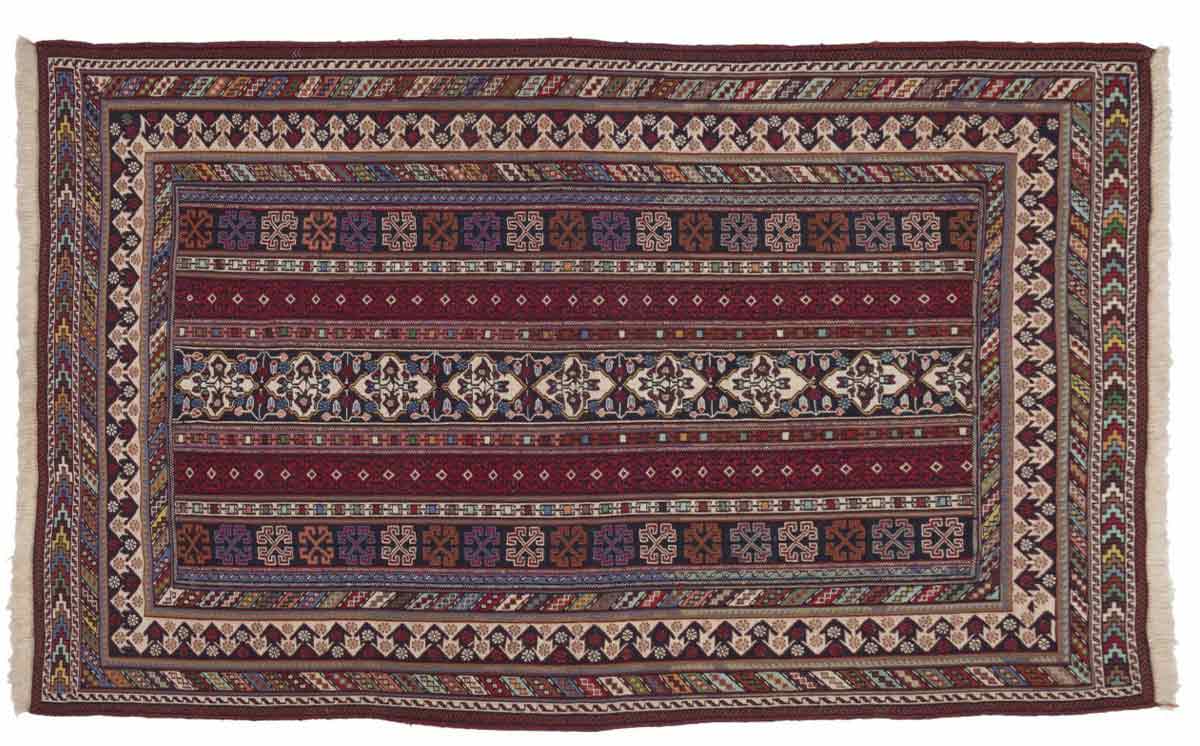
Sirjan rug - needle weave - types of Persian rug weave

Harsin rug

Hercynians have a type of mentally woven carpet that is no less than the Tabriz carpet. Harsin rug made of goat's wool, with its white and dark red colors, is world famous and has been registered worldwide.

The Baloch people of Iran also have a special technique for weaving Iranian rugs. They weave the edges of the rugs from goat hair and believe that goat hair prevents scorpions from coming on the rug. This issue is very important for people who lived in Caper and open space.

Gilim Zarand

Zarand rug has a texture with small slits. Most of the work is done by the Turkic-speaking elements of Shahson, a large number of whom have settled in this area. Zarand rugs are long, narrow and durable. Conventional designs with flowers and plants with creeping hair and sometimes in the form of a mesh rhombus design or two to three bergamots are combined.

Turkmen rug

Turkmen rug is light and strong. In these rugs, color is the most important factor and red color with different bright shades has a special role, other colors are orange, blue, green and sometimes yellow. These contrasting colors create a beautiful harmony.

Turkmen rug - Iranian rug buying guide

Anbaran rug

This type of carpet is woven in Anbaran, Ardabil, and it can be said that the patterns of this carpet are adapted from Shiriki Pich, and usually the tranji is less visible in the middle, and the flower of the text, which is called Kashmiri, fills it all over with repetition, and other flowers that are used in this carpet The ambers used are: Khara, Shah Abbasi flower, Garmai flower, Jaft flower, and there is a border in this rug, which is called Charkhi border and the other is called Vakili border.

A sample of amber carpet - Iranian carpet buying guide

Applications of Iranian rugs

Due to their price and dimensions, rugs are a suitable option for covering the floor of kitchens and children's rooms. The use of their types of machines also leaves the hand of any designer open to design a traditional or modern space. Anyway, you can put a variety of products in your home at a low price.

Also, their various dimensions are very suitable for interior design. Carpets are available in the market from 2 to 12 meters; But the handmade rugs are mostly smaller in size.

Application of carpet - Iranian carpet

Advantages and disadvantages of buying Iranian rugs

  • The most important drawback of rugs for covering the floors of houses is the issue of ceramics. This underlay was designed for Ili and nomadic tents; But on a smooth and polished surface such as ceramic and modern parquets, it is very prone to sliding. Therefore, if you buy a rug for your home, you should think about creating friction between it and the floor.
  • The next issue is to recognize a hand-woven rug from a machine-made rug. Machine-made rugs are also produced these days, and you should know how to distinguish between the two. But on the other hand, carpets are very popular because of their cheap price.
  • These underlays are always acceptable solutions to cover the strange places of the houses. Because in order to make maximum use of the house land, unbalanced designs are implemented in them.

For this reason, you are usually faced with many corners in houses that cannot be covered with carpets. For this reason, rugs are the best option for this issue due to their dimensional variety.

Carpet carpet machine

With the development of machine-made carpet workshops, a lot of diversity also emerged in the production of other products such as carpets. Now, as a machine-made carpet rug, it is a popular product among Iranian families. These rugs have more variety of design and role and considering their price, they are considered a cost-effective option.

If you are interested in the modern design of your home or workplace, you can go for carpets. Because they are placed in the category of modern carpets due to their various designs and plans. In addition to the density of their texture, which is often 400 combs, they give you a better quality of a rug and are more resistant to washing and pollution. These rugs are light weight and easy to move.
بازدید : 29
شنبه 11 شهريور 1402 زمان : 10:55

ریشه بافت گلیم را در آسیای مرکزی، شرق اروپا، خاورمیانه و آفریقا را در میان عشایر می‌توان پیدا کرد. در حقیقت هرجا که دامپروری در جریان بوده، گلیم‌بافی هم شکل گرفته؛ چرا که تاریخچه این هنر با سبک زندگی دامپروران پیوندی عمیق دارد. از همین‌رو هرجایی مانند برخی مناطق ایران که تمرکزی از پرورش‌دهندگان دام وجود داشته باشد، می‌توانید مکتبی از بافت گلیم ایرانی را هم پیدا کنید.

بسیاری معتقدند از آن‌جایی که بافت گلیم آسان‌تر از فرش بوده، احتمالاً ابتدا انسان دوران باستان گلیم می‌بافته و بعدها به فکر بافت فرش افتاده است. قدیمی‌ترین گلیم جهان در مصر باستان پیدا شده و در مجموع مورخان معتقدند از ۲۵۰۰ سال پیش از میلاد مسیح مردم دنیا، توانایی بافت گلیم را داشته‌اند. تقریبا همان زمانی که انسان‌ها فهمیدند چگونه پشم بز و گوسفند را بتابانند و آن را به نخ تبدیل کنند.

در حال‌حاضر به جز ایران، چین، هند، پاکستان و ترکمنستان از مهم‌ترین مراکز بافت گلیم در دنیا به‌شمار می‌روند. در افغانستان هم به این زیرانداز مانند: ایران گلیم می‌گویند و در زمانی آن را چیلیم می‌خوانند. مردم قفقاز به آن بداس می‌گویند و در سوریه و لبنان با نام لیاط آن را می‌شناختند.

پیش‌تر در تاریخچه فرش دستباف ایران هم گفتیم که فرش در این سرزمین وام‌دار عشایری بود که فلات ایران را درمی‌نوردیدند. از این رو گلیم‌بافی در ایران هم تاریخی قدیمی و کهن دارد و انواع بافت گلیم را در ایران می‌توانید ببینید.

تفاوت‌های گلیم و فرش

بسیاری از خریداران این سوال را از فروشنده‌ها می‌پرسند که فرش با گلیم چه تفاوتی دارد؟ کنار هم قرار دادن یک فرش دستباف و یک گلیم دستباف، به خوبی تفاوت‌های آن‌ها را آشکار می‌کند و شاید هر توضیحی نتواند به خوبی این تجربه دیداری، مسئله را برای شما مشخص کند. اما به هر روی در مقام توضیح کمی تخصصی‌تر اینجا چند مورد از تفاوت‌های فرش و گلیم را بیان می‌کنیم.

  • مهم‌ترین چیزی که فرش را از گلیم متفاوت می‌کند، مسئله پرز است. فرش‌های دستباف پرز دارند و گلیم‌ها ندارند. پرز همان چیزی است که به فرش بُعد می‌دهد. در واقع اگر یک گلیم و فرش را کنار هم قرار دهید، می‌بینید که فرش بعد دارد و گره‌های بافته شده رو تار و پود به کمک پرز به فرش بعد می‌دهند؛ اما در گلیم چنین نیست و شما گره بافته شده روی تار و پود را می‌بینید.
برای همین هم فرش محصولی نرم‌تر و راحت‌تر برای نشستن است و این برتری را بر گلیم دارد.
  • موضوع بعدی سختی کار بافت و زمانی است که برای بافت یک فرش و یک گلیم صرف می‌شود. گلیم‌ها خیلی راحت‌تر از فرش بافته می‌شوند و خیلی زودتر هم به پایان می‌رسند. از این‌رو شاید بافت گلیم به‌صرفه‌تر به‌حساب بیاید؛
  • تفاوت مهم دیگر این است که قیمت فرش تفاوت فاحشی با گلیم دارد و به مراتب گران‌تر است، مخصوصا فرش دستباف.
  • گلیم‌ها روی دارهای افقی بافته می‌شوند و فرش‌ها عموماً روی دارهای ایستاده و این هم هم یک تفاوت دیگر این فرش و گلیم با یکدیگر است.
  • همچنین مسئله بعدی که تفاوت زیادی بین فرش و گلیم ایجاد می‌کند، ابعاد این دو محصول است. گلیم‌ها اغلب چندان بزرگ نیستند و بر خلاف فرش، می‌توانند نقش اول خانه‌ها را برای دیزاین بازی کنند و معمولا در حاشیه‌ها انداخته می‌شوند.
  • ابعاد کوچک و متفاوت گلیم موجب می‌شود، اغلب از آن‌ها برای پوشاندن کف اتاق‌های کوچک، راهروها و گوشه و کناره‌های خانه‌های استفاده شود.

انواع بافت گلیم ایرانی

چند دسته‌بندی کلی برای شناخت انواع بافت گلیم ایرانی وجود دارد. گلیم‌ها را بر اساس نوع بافت به سه دسته زیر تقسیم می‌کنند:

  • گلیم ساده‌باف
  • گلیم برجسته
  • گلیم ورنی

محل‌های بافت انواع گلیم ایرانی

همچنین گلیم‌ها هم مانند فرش‌ها، بر اساس محل جغرافیایی بافت‌شان هم قابل دسته‌بندی هستند:

  • گلیم هرسین
  • گلیم بلوچی
  • گلیم مازندران
  • گلیم شاهسون
  • گلیم قشقایی
  • گلیم سنه
  • گلیم افشار
  • گلیم لری
  • گلیم خمسه
  • گلیم زرند
  • گلیم ترکمن
  • گلیم عنبران

گلیم خمسه - انواع بافت گلیم ایرانی

فرمت بافت گلیم ایرانی

همچنین گلیم ها می‌توانند بر اساس فرمت بافتشان هم خیلی جزئی‌تر هم دسته‌بندی شوند.

  • گلیم با بافت تار رو
  • گلیم با بافت پود رو
  • گلیم اریب‌باف

گلیم ایرانی دستباف پود رو

گلیم‌های پود رو هم چهار دسته‌بندی جزئی‌تر دارند:

  • گلیم ساده
  • گلیم سوماک
  • گلیم پود آویز
  • گلیم برجسته

گلیم برجسته کاشان - انواع بافت گلیم ایرانی

گلیم ایرانی دستباف اریب‌باف

گلیم‌های اریب‌باف هم به دو دسته تقسیم می‌شوند:

  • چرخ باف
  • موج باف

تاریخچه گلیم ایرانی دستباف

همانطور که گفتیم تاریخچه گلیم با تاریخ زندگی عشایری و بیابان و صحرا گردی پیوندی عمیق دارد. این کالای زیبا به عنوان زیرانداز چادرها، دارایی قابل فروش و ذخیره‌ای ارزشمند، وسیله‌ای برای حمل کالا روی حیوانات در معنی خورجین و امثال آن و همچنین به جای در و پنجره چادرها و به عنوان وسیله‌ای برای حفاظت چادر و چادرنشین‌ها از سرما استفاده می شد.

رونق گلیم‌بافی چنان در طول تاریخ زیاد شده بود که در قرن ۱۷ و ۱۸ در فلات مرکزی ایران به عنوان جزئی جدانشدنی از جهیزیه دخترها به‌حساب می‌آمد و شهرهای فراهانی به عنوان مرکز تجارت گلیم شناخته می‌شدند و تاثیر فراوانی روی تجارت و اقتصاد شهرها داشت.

در این زمانه هر روستایی که کارگاه تولید گلیم داشت به این معنی بود که یک ایل بزرگ یا قومی از عشایر در آن ساکن شده‌اند و زندگی یکجانشینی در پیش گرفته‌اند. همین جریان یکجانشینی و روی آوردن به زندگی شهری موجب تغییراتی در ساختار گلیم‌ها هم شد.

بعدها اقبال عمومی به گلیم‌ها و راه یافتن آن‌ها به بازارهای جهانی هم موجب ایجاد موج تغییراتی، در بافت گلیم‌ها و طرح و نقشه‌های آن‌ها شد. به گونه‌ای که گلیم‌های سنتی را تنها می‌شد در نواحی سنتی‌تر و دور از مدرنیته دید.

افغانستان که یک از بسته‌ترین کشورهای منطقه است؛ به مدد همین عدم ارتباط و زندگی سنتی یکی از آخرین مناطقی است که هنوز می‌توان در آن سنت‌های قدیمی بافت گلیم را یافت. در ایران معاصر هم تاسیس مدرسه صنایع مستظرفه، موجب تحولی در گلیم‌بافی شد.

در این مدرسه کارگاه‌هایی برای بافت گلیم هم تدارک دیده شده بود و اساتید مجربی از اطراف ایران برای آموزش هنرجویان گرد هم آمدند. استاد عیسی بهادری یکی از مهم‌ترین شاگردان پرورش یافته در این مدرسه است که چهره‌ای مهم و تاثیرگذار در تاریخ معاصر بافندگی به ویژه گلیم ایران است.

گلیم دستباف بلوچی - انواع بافت گلیم ایرانی

مهم‌ترین شهرهای بافنده گلیم

به‌طور کلی همه شهرهایی که در مسیر حرکت ایلات و عشایر ایرانی بودند حالا مرکزی برای تولید گلیم هم هستند. امروزه در بسیاری از شهرهای ایران می‌توانید کارگاه‌های بافت گلیم را پیدا کنید؛ ولی شاید مهم‌ترین شهرهای بافنده گلیم این‌ها باشند:

  • زنجان
  • مازندران
  • شیراز
  • ساری
  • سنندج
  • سیرجان
  • هرسین
  • زابل

گلیم زنجان

مثلاً در نواحی شمال‌غربی و غربی ایران به وفور می‌توانید گلیم شاهسون پیدا کنید. زنجان یکی از این مراکز است و در آن گلیم‌های زیبای شاهسون که بافته دست بازماندگان ایل بزرگ شاهسون است را به خوبی می‌توانید پیدا کنید.

از گلیم‌های بافته شده در این منطقه به‌عنوان پوشش روی اسب هم استفاده می‌کنند و در میان سوارکاران بومی منطقه بسیار رایج است که گلیم برای انداختن روی اسب‌شان بخرند.

پنج قبیله در جنوب ایران زندگی می‌کردند با نام‌های اینانلو، بهارلو، شیباری، جباره و مسیری که به این خمسه معروف بودند. باشندگان این ایل یکی از معروف‌ترین گلیم‌های ایران را می‌بافند که به گلیم خمسه معروف است و حالا می‌توان آن را در شیراز یافت. این گلیم هم در دسته گلیم‌های سوماک قرار می‌گیرد.

در بافت این گلیم از رنگ‌های تیره و طرح‌های لوزی که برگرفته از اجرام فلکی است، استفاده می‌شود. البته که اکنون و با تغییر ذائقه‌ها ممکن است شما در میان گلیم‌های خمسه، گلیم‌هایی با زمینه روشن هم پیدا کنید.

گلیم مازندران

گلیم‌بافی و جاجیم‌بافی در مازندران نیز از دیرباز رونقی فراوانی داشت. کرچال دستگاه و کارگاهی بود که زنان روستایی در آن گلیم و جاجیم می‌بافتند و حالا هم نمونه‌های فراوانی از آن در مناطقی چون آلاشت، لفور و یا هزار جریب دیده می‌شود.

در مازندران به دلیل رطوبت فراوان، مرسوم بود که کف خانه را با نمد می‌پوشاندند و بعد روی نمد را با گلیم فرش می‌کردند. همچنین در خانه‌های جنگلی و چوبی از گلیم برای پوشاندن دیوار و حفظ خانه از سرمای بیرون هم استفاده می‌کردند. اکنون در آلاشت سوادکوه گلیم‌های فراوانی بافته می‌شود. همچنین در نواحی سنتی‌تر مازندران مانند بلده، همچنان بافت گلیم ایرانی رواج دارد. بازار بزرگ فروش آنها همچنان شهرهای بزرگی چون ساری هستند.

گلیم سنندج

سنندج هم یکی از مهم‌ترین مراکز بافندگی فرش و گلیم ایرانی است. چنان که فرش‌های سنه و حتی بعضاً گره سنه در زمانی بسیار معروف بوده است. سیاست‌های برخی شاهان ایرانی مبنی بر کوچ کردها و سکونت اجباری آنها در شمال و شرق ایران هم موجب شد تا آنها با خود فرهنگ بافندگی را به شهرهای مختلف ببرند.

نتیجه این کوچ را در شمال خراسان و مناطق غربی مازندران به خوبی می‌توان دید. اما خود سنندج همچنان یکی از قطب‌های بافت گلیم در ایران است. گلیم‌های سوماک سنندج با طرح لوزی‌های متداخل بافته می‌شود و بسیار چشم‌نواز هستند.

گلیم سنندج یا گلیم سنه کردستان - راهنمای خرید گلیم ایرانی

گلیم سیرجان

سیرجانی‌ها خودشان را پایتخت گلیم جهان می‌دانند. این ادعا چندان هم بی‌دلیل نیست. آنها نوعی از گلیم را می‌بافند که بی‌نظیر است. گلیم «شیریکی پیچ» که سبک خاصی از بافت گلیم است. هر چیز بافتنی حاصل درهم‌آمیختگی تار با پود است. انواع فرش‌ها و زیراندازها با کمک پود شکل می‌گیرند و تصویر نهایی محصول حاصل کار پود است. خرید صنایع دستی

گلیم سیرجان - بافت سوزنی - انواع بافت گلیم ایرانی

گلیم هرسین

هرسینی‌ها نوعی گلیم ذهنی‌باف دارند که کم از فرش تبریز ندارد. گلیم هرسین از پشم بز که با رنگ‌های سفید و سورمه‌ای‌اش شهرتی جهانی دارد و ثبت جهانی هم شده است.

بلوچ‌های ایران هم تکنیک خاصی برای بافت گلیم ایرانی دارند. آنها حاشیه گلیم‌های را از موی بز می‌بافند و معتقدند موی بز موجب می‌شود عقرب روی گلیم نیایید. این مسئله برای مردمی که در کپر و فضای باز زندگی می‌کردند، نکته بسیار مهمی است.

گلیم زرند

گلیم زرند دارای بافت چاک‌دار کوچک است. بیشتر کار عناصر ترک‌زبان شاهسون است که تعداد زیادی از آن‌ها در این منطقه مقیم شده‌اند. گلیم‌های زرند، دراز، باریک و با دوامند. طرح‌های قراردادی با گل و گیاهی با مو خزنده و گاهی به‌صورت طرح لوزی مشبک یا دو تا سه ترنج در هم هستند.

گلیم ترکمنی

گلیم ترکمنی سبک و محکم است. در این گلیم‌ها رنگ مهمترین عامل است و رنگ قرمز با سایه روشن‌های مختلف نقش ویژه ای دارد، رنگ‌های دیگر نارنجی، آبی، سبز و گاهی زرد است. این رنگ‌های متضاد هماهنگی زیبایی به‌وجود می‌آورند.

گلیم ترکمن - راهنمای خرید گلیم ایرانی

گلیم مسند عنبران

این نوع گلیم در عنبران، اردبیل بافته می‌شود و می‌توان گفت نقش‌های این گلیم از شیریکی پیچ اقتباس شده‌است و معمولاً ترنجی در وسط آن کمتر دیده می‌شود و گل متن که کشمیری نام دارد سراسر آن را با تکرار پر نموده‌است و گل‌های دیگری که در این گلیم عنبران به‌کارمی‌رود عبارتند از: خارا، گل شاه عباسی، گل گرمایی، جفت گل و یک حاشیه در این گلیم وجود دارد که حاشیه چرخی و دیگری حاشیه وکیلی نام گرفته‌اند.

نمونه گلیم عنبران - راهنمای خرید گلیم ایرانی

کاربردهای انواع گلیم ایرانی

گلیم‌ها با توجه با قیمت و همچنین ابعادشان گزینه مناسبی برای پوشاندن کف آشپزخانه‌ها و اتاق کودک هستند. استفاده از انواع ماشینی آن‌ها هم دست هر دیزاینری را برای طراحی یک فضای سنتی یا مدرن باز می‌گذارد. به‌هر حال شما با قیمت کم می‌توانید محصولات متنوعی را در خانه‌تان قرار دهید.

همچنین ابعاد متنوع آنها هم برای طراحی فضای داخلی بسیار مناسب است. گلیم‌فرش‌ها از ۲ تا ۱۲ متر در بازار موجود هستند؛ اما گلیم‌های دستباف عمدتاً ابعاد کوچکتری دارند.

کاربرد گلیم - گلیم ایرانی

مزایا و معایب خرید گلیم ایرانی

  • مهم‌ترین ایرادی که گلیم‌های برای پوشاندن کف خانه‌ها دارند، مسئله سرامیک است. این زیرانداز برای چادرهای ایلی و عشایری طراحی شده بود؛ ولی روی یک سطح صاف و صیقلی چون سرامیک و پارکت‌های امروزی، بسیار مستعد سر خوردن است. برای همین اگر برای خانه‌تان گلیم می‌خرید باید فکری هم برای ایجاد اصطکاک میان آن و کف خانه بکنید.
  • مسئله بعدی شناخت گلیم دستباف از گلیم ماشینی است. این روزها گلیم‌های ماشینی هم تولید می‌شوند و باید بدانید که چگونه این دو را از هم تشخیص دهید. اما در مقابل گلیم‌ها به دلیل قیمت ارزان‌شان بسیار مورد استقبال هستند.
  • این زیراندازها همیشه جواب‌های قابل قبولی برای پوشاندن نقاط عجیب و غریب خانه‌ها هستند. زیرا برای استفاده حداکثری از زمین خانه‌های طرح های نامتوازن در آن‌ها اجرا می‌شود.

برای همین معمولا در خانه‌هایی با گوشه‌های متعددی مواجه هستید که نمی‌توان آن را با قالی و قالیچه پوشاند؛ برای همین گلیم‌ها با توجه به تنوع ابعادی‌شان بهترین گزینه برای این مسئله هستند.

گلیم فرش ماشینی

با توسعه کارگاه‌های فرش ماشینی، تنوع فراوانی هم در تولید محصولات دیگر نظیر گلیم هم پدید آمد. حالا گلیم فرش به‌عنوان یک گلیم ماشینی محصولی محبوب در میان خانواده‌های ایرانی است. این گلیم فرش‌ها تنوع طرح و نقش بیشتری دارند و با توجه به قیمت‌شان یک گزینه به‌صرفه به‌شمار می‌روند.

اگر به دیزاین مدرن خانه یا محل کارتان علاقه دارید، می‌توانید سراغ گلیم فرش‌ها بروید؛ چرا که آنها با توجه به طرح و نقشه‌های متنوع‌شان در دسته فرش‌های مدرن جای می‌گیرند. علاوه بر آن تراکم بافت آنها که اغلب ۴۰۰ شانه هستند، کیفیت بهتری از یک گلیم را به شما می‌دهند و در شست‌وشو و همچنین در برابر آلودگی‌ها مقاوم‌تر هستند. این گلیم فرش‌ها وزن سبکی هم دارند و جابه‌جایی آنها راحت‌تر است.

بازدید : 21
پنجشنبه 9 شهريور 1402 زمان : 18:48

صنعت گردشگری در دنياي كنوني ، نقش موثري در توسعه ملي دارد و يكي از منابع درآمدي كشورها محسوب مي شود. كه در كنار آن خرید صنايع دستي مي تواند. در توسعه توريسم و مبادلات فرهنگي مؤثر باشد. یکی از بخش‌ های مهم اقتصادی و فرهنگی در ایران، حوزه صنایع دستی و هنرهای سنتی است. که ابزاری قابل توجه برای صادرات کالا، اشتغال زایی، جذب توریسم و بالا بردن سطح تولید ملی به شمار می رود.

کشور ایران از اقوام و آداب و رسوم مختلف تشکیل شده. که هر کدام از این اقوام با توجه به تاریخ و فرهنگ خود، در صنایع دستی و هنر های سنتی استعداد و پتانسیل های خاصی دارد. در واقع صنایع دستی پلی میان اقتصاد و فرهنگ است. و با توسعه آن، نه تنها به اشتغال زایی و اقتصاد کمک کرده ایم. بلکه گام بلندی در جهت معرفی فرهنگ اصیل ایرانی برداشته ایم.

چرا صنعت گردشگری در رشد اقتصادی مهم است؟

گردشگری، بزرگترین مجموعه‌ی خدماتی جهان است. که روز به روز بر عرصه‌های کاری، ابعاد و اهمیت آن افزوده می شود. و طبعاً جایگاه رفیع تری را در اقتصاد جهانی به خود اختصاص می دهد. امروزه گردشگری که از آن با عنوان «صنعت گردشگری» هم یاد شده است.در برخی از کشورها که به مرحله‌ی توریسم صنعتی رسیده اند.سهم بسیار بالایی را در «تولید ناخالص ملی» و درآمدهای ارزی کسب کرده است.

رابطه صنایع دستی و صنعت گردشگری

ضمن آن که بعضی از ممالک دیگر هم به موفقیت‌های چشم گیری در این زمینه دست یافته اند. .

بررسی آمار ورود گردشگران خارجی به ده کشور فرانسه، اسپانیا، ایالات متحده‌ی آمریکا، ایتالیا، ترکیه، انگلستان، کانادا، آلمان، مکزیک و چین که طی سال‌های اخیر بیشترین گردشگر بین المللی را داشته اند. و نیز بررسی سیر صعودی و روند. رو به تزاید ورود توریست بین المللی به ممالکی همچون تایلند، یونان، مالزی و هند مؤید این امر است.

که تقریباً بین کشورهای دارای آثار تاریخی و باستانی و جاذبه‌های طبیعی و زیست محیطی در برنامه‌های دراز مدت، میان مدت و حتی کوتاه مدت خود مقوله‌ی گردشگری را بسیار مورد توجه قرار داده.

و با سرمایه گذاری‌های ملی و قایل شدن تسهیلات لازم و بستر سازی برای جذب سرمایه گذاری توسط شرکتهای فرا ملیتی و بین المللی به درآمد. ارزی سرشار حاصل از این رهگذر برای توسعه‌ی پایدار، رشد متوازن و ترقی روزافزون چشم دوخته اند.

بررسی

از سوی دیگر بررسی‌های به عمل آمده در زمینه‌ی تعداد رو به فزونی گردشگران داخلی و حتی گردشگرانی که در طولی روز به بازدیدهای تفریحی و بازرگانی می پردازند، نشانگر سیر صعودی و رشد چشمگیر گردشگری در تمامی سطوح با گرایشی‌های جهانی، منطقه ای، ملی و حتی گردشگری با مقاصد کاری و یا دیدار و بازدید از مراکز تفریحی است.

بررسی آمارهای مربوط به بازدید توریستهای خارجی و حتی گردشگران داخلی از مراکز تولید صنایع دستی در کشورهایی همچون تایلند، هند، چین و مالزی و نیز دقت نظر بر روی ارقام فروش آثار گوناگون هنرهای صناعی به گردشگران، نشانگر آن است که صنایع دستی یا هنرهای صناعی که یکی از مظاهر فرهنگی و هنری محسوب می شود، می تواند عامل مهم و حتی موجبی برای جلب و جذب گردشگران به حساب آید، چرا که هر اثر صنایع دستی بازگو کننده‌ی خصوصیات تاریخی، اجتماعی و فرهنگی یک کشور و حتی منطقه و محل تولید است و می تواند در شناساندن هنر اصیل و بومی و فرهنگ نقش اساسی ایفا کند.

بررسی‌های سه دهه‌ی پایانی قرن بیستم میلادی تا به امروز، این واقعیت را مطرح کرده است که خرید سوغات آن هم سوغاتی ماندگار و با هویت که ضمناً نشانه ‌ها و علایم و نمادهایی از کشور و یا مکان موضوع بازدید را به همراه داشته باشد، نه تنها تکمیل کننده‌ی سفر و بازدیدهای گردشگران است بلکه گاه جاذبه ای فراتر از مکانهای تاریخی و باستانی در توریستها ایجاد می کند.

چگونه صنایع دستی میتواند بر صنعت گردشکری تاثیر گذار باشد؟

خرید یادگاري و به خصوص صنایع دستی از فعالیت هاي جدایی ناپذیر گردشگران می باشد. در نتیجه، باید به منظور رویارویی با تقاضاي گردشگران، صنایع دستی مناسب و شایسته تولید و عرضه شود. یکی از عواملی که موجب رضایت و خشنودي گردشگران می شود. خرید صنایع دستی با کیفیت و اصیل است. عرضه صنایع دستی به گردشگران هم چنین موجب رشد و شکوفایی اقتصاد جامعه محلی می شود. و تراوش و نشت درآمدها را کاهش می دهد. در این امر، زنان جامعه میزبان نیز می توانند. سهم عمده اي را بهره مند شوند.

بنابراین، باید اقداماتی در جهت بهبود عملکرد صنایع دستی صورت پذیرد. و از آن حمایت خاصی شود. در این راستا می توان به جامعه محلی و به خصوص زنان، در جهت اشتغال در زمینه صنایع دستی اعتبارات مالی تخصیص داده شود. آموزش هاي لازم به افرادي که در این زمینه مشغول هستند. داده شود. تا بتوانند صنایع دستی کاربردي، باکیفیت، اصیل، و مورد دلخواه گردشگران تولید کنند. هم چنین، فناوري هاي لازم نیز در اختیار تولیدکنندگان قرار داده شود. تا بخشی از مراحل تولید تسهیل و تسریع یافته و به کاهش قیمت محصولات بیانجامد.

مسئولان باید مواد مرغوب و طبیعی را در دسترس تولیدکنندگان قرار دهند. در نهایت، تحقیقاتی در زمینه علایق و نیازهاي گردشگران صورت پذیرد و نتایج تحقیقات به تولیدکنندگان منعکس شود. تا آنان بتوانند. صنایع دستی خود را با خواسته هاي گردشگران تطبیق دهند. که این خود منجر خریدهاي مضاعف گردشگران و فروش بیش تر شده. و در نهایت به رشد و شکوفایی صنایع دستی می انجامد. هم چنین، هتل ها و مراکز اقامتی باید غرفه هایی را تدارك ببینند تا در آن ها صنایع دستی محلی عرضه شوند.

آژانس مسافربری

آژانس هاي مسافرتی باید تورهایی را تدارك ببینند. تا گردشگران را به مکان هایی که در آن جا صنایع دستی ساخته می شوند. ببرند تا گردشگران از نزدیک هنرمندان و مراحل ساخت صنایع دستی را مشاهده نمایند. ایجاد کاتالوگ هایی که در آن ها کلیه اطلاعات مربوط به صنایع دستی نظیر کیفیت، طرح، اصالت، کاربرد، و غیره و هم چنین اطلاعات مربوط به تولیدگران درج شده است. نیز می تواند موجب ترویج صنایع دستی شود. برگزاري جشنواره هاي صنایع دستی و دعوت از هنرمندان بومی نیز می تواند. موجب انگیزش گردشگران به سفر شود.

بازدید : 26
سه شنبه 7 شهريور 1402 زمان : 12:21

Rural handicrafts are simple and uncomplicated technical industries that are considered as a source of income and additional jobs in villages, and most of the villagers are engaged in it during seasonal unemployment.

Village; New tourist destination

According to the Saba Commercial Unit, the villages have become the center of traffic for people who travel to the villages to escape from the noisy city life and car life. This will expand the tourism industry in the villages and it is a very pleasant event that can cause economic growth in those areas. Tourism draws money and population from centers of concentration and industrial gravity to villages and natural areas, so one should look for a way by which villagers can provide services or products to tourists and earn money from it.

The prosperity of rural handicrafts, the solution to overcome the water crisis

In the not-so-distant past, the economy in the villages was very dependent on agriculture, and of course handicrafts, which were often produced by the women and girls of the village, played the role of supplementary livelihood in the rural economy. The lack of water and the drought crisis have faced many problems in agriculture today, and if an alternative is not provided, we will have an increase in migration to cities and marginalization; Because in practice, an unemployed person is a desperate person and is forced to migrate.

Handicrafts, the only source of income for villagers during drought

Now, due to the problems of the agricultural sector, only one source of income remains in the villages, and that is handicraft production. The meaning of rural handicrafts is that kind of simple and uncomplicated technical industries that are considered as a source of income and additional jobs in the villages, and most of the villagers are engaged in it during seasonal unemployment.

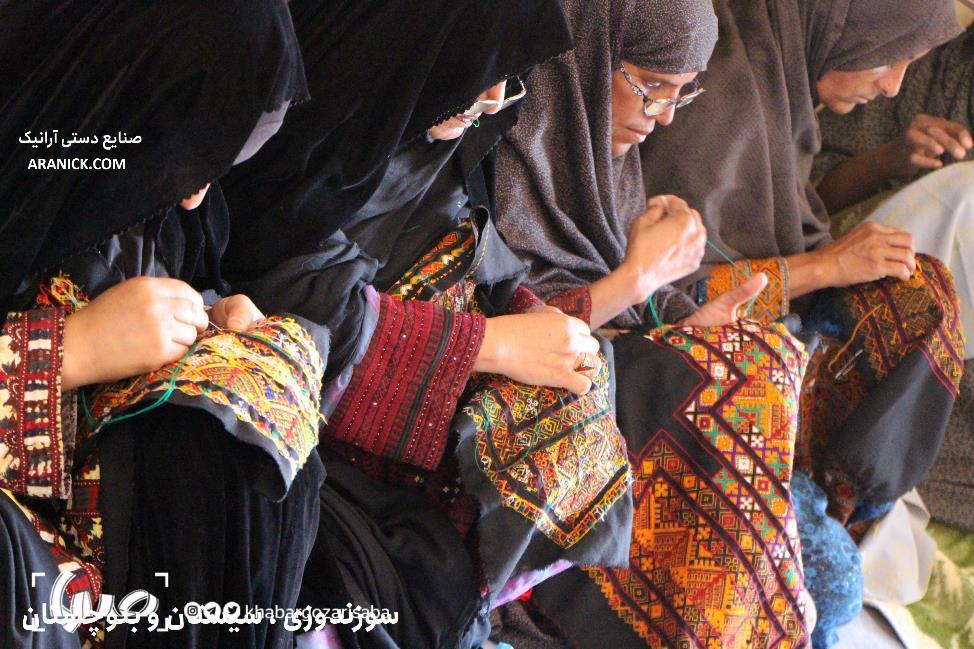
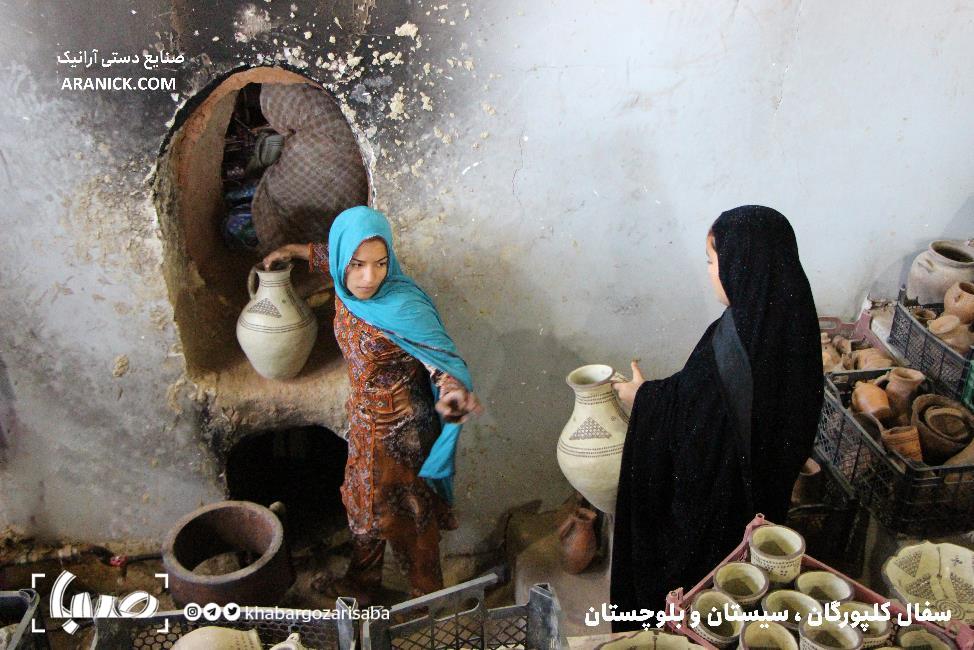
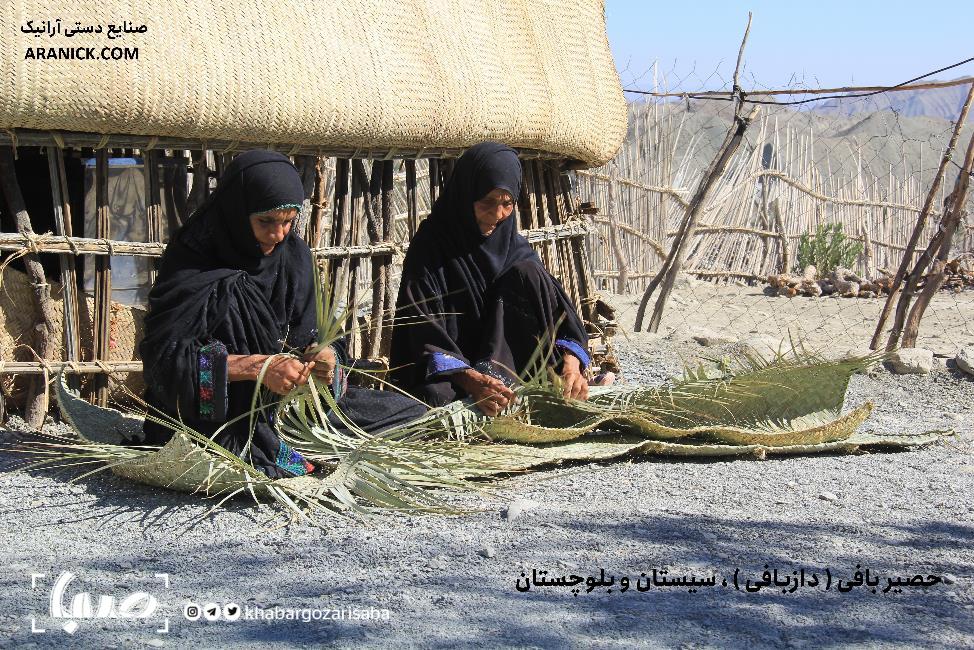
We can safely say that there is no village in Iran that does not benefit from handicrafts. The producers of this art-industry are mostly rural women who produce according to the natural raw materials around them. iran handicrafts

Handicrafts, applied art and suitable for everyday needs

These products, such as copper vessels , clay, stone and wooden vessels, often have a practical aspect and suit the daily needs of the people of that region. Their products, from mats and carpets to traditional clothes, are all rooted in the culture and traditions of the region and are intertwined with their lives. For example, in the gabe woven by Qashqai nomadic women, you can see clear symbols of the mountains, vegetation and animals on the edge of the Zagros mountain range, as if these handwovens are an abstract painting of the nature around them.

rural handicrafts; Diverse but unknown!

The production of handicrafts in the villages of Iran has a very high diversity, but unfortunately, due to its unknown nature and lack of correct and principled introduction, the distance of the producers from the center and their lack of access to the markets of big cities, their lack of knowledge about the daily taste of the market, lack of sufficient knowledge of Due to the principles of marketing, the weakness of macro management, the growing increase in the use of polymer materials in the production of life necessities, as well as the significant reduction of natural resources, most of the producers of rural handicrafts have faced a serious crisis. Because all the mentioned things go hand in hand and cause the producer to not be able to sell his products well in the market and the inability to sell is equal to frustration and lack of motivation to produce more.

sale of handicrafts; Improving rural livelihoods, encouraging the young generation, reviving the forgotten species.

On the other hand, when producers who have been engaged in the production of handicrafts for many years and have become experts in this work cannot make a living by selling their products, of course others will not be encouraged to learn the technique, and the result is the destruction of many types of industries. It has been handy in recent years.

The role of the private sector in the development of the economy of rural handicrafts

The investment of the private and public sector in this area, which is very virgin and the investing companies will soon realize its importance, can be both a boom for the development of rural tourism and the income of the families living in it, and a significant added value for Investor section. Its clear examples in developed countries are indicative of this fact.

Aranik's website has been promoting and selling handicrafts online for four years, focusing on rural and nomadic handicrafts, and has been able to sell these products domestically and abroad. Aranik has also implemented social and economic development projects in deprived provinces in the past years by strengthening the capabilities of local handicrafts. kilim bag

بازدید : 29
دوشنبه 6 شهريور 1402 زمان : 11:44

A carpet is a type of carpet without piles, which is created by the contact of taropods with each other. Usually, its warp is cotton and wool, and sometimes it is silk, and its weft is made of wool, fluff and silk threads. This carpet has different names in Persian language. Galim in Afghanistan - Gilim in Ukraine - Badas in the Caucasus - Liat in Syria and Lebanon - Chilim in Romania as well as Kilim in Turkey, Poland, Hungary and Saudi Arabia are among the different names.

The history of carpet weaving

Since ancient times, humans have used the skins of the animals they hunted to cover and protect the body against weather changes and as a mattress, and gradually with the spread of animal husbandry and wool spinning, weaving became popular among primitive tribes and is one of the It was considered the first tribal arts and crafts.kilim bag


Although it is not clear where and by which people and tribes the first cloths were woven, which coincided with the beginning of kilim weaving, but based on archaeological excavations, there are evidences of weaving among the inhabitants of the Iranian plateau and neighboring lands. Obtained. For example, in the southeast caves of the Mazandaran Sea (Kinzwar Cave and Hutto near Behshahr), traces were found that prove that the people of this region used to raise sheep and goats and spin their wool and hair 8000 years ago.


Also, an 8000-year-old piece of fabric woven from goat hair was found on the shores of the Mazandaran sea, and a 6000-year-old linen cloth was found in Susa.


With all these evaluations, it is not possible to provide an exact date for the kilim . The oldest discovered kilim in the world called Pazyrik belongs to 350-500 BC.


kilim weaving was an introduction to kilim weaving. The date of the beginning of kilim weaving has been estimated at 1500-2000 BC, it can be said that the date of the beginning of carpet weaving was around 3000-5000 BC.

kilim weaving machines

In general, there are four types of tissue devices:


A- Simple woven kilim
The simple woven kilim machine is made of an auxiliary piece of wood and the kilim is woven uniformly on it. The back and the surface of this type of kilim are the same and both surfaces can be used.


B- The spinning kilim weaving
machine has four cages. Each layer is moved by means of bows. In this type of weaving, all the threads are passed from layer to layer. The weaving proceeds in the same way. On the back of the rug, additional wefts are placed on top of each other, and for this reason, the result will be a strong and thick rug with a different back and face, which can only be used on one side.


C- Jajim weaving
machine Jajim weaving machine has four cages and several bows. The main difference between Jajim and other types of rugs is the color of its threads, which are effective in the emergence of patterns like a weft.


D- Needle kilim (sumak) The needle kilim
machine has a needle and is generally similar in appearance to a simple kilim weaving machine. In this weave, extra wefts remain free at the back of the kilim . The texture of this type of kilim is between Nomads are very common. It is often used for decoration.

Before buying iran handicrafts rugs, it is better to be familiar with its types of texture.

Types of kilim fabrics in Iran

Shiriki Pich (Shirki Pich):
Shiriki Pich is the name given to it by the nomadic and rural weavers of Kerman. It looks like a kilim and is woven with knots like a kilim , and unlike other types of rugs, the weft complements and highlights its patterns. The weft only connects the threads to each other and is hidden behind the meat (piles) of the rug and cannot be seen. Patterns are created by means of a knot that is tied on the thread. The text knot, with the help of which the colored thread passes over the two threads and is turned back and passes under the main thread and creates a knot. The second knot is the diving knot. In this knot, the colored weft is placed twice Two threads are placed and it creates a wider line. After finishing the knotting operation, wefting is done in each row and a conflict is created between the weft and the knots.


Shiriki Pich motifs rise above the geometric limit and sometimes achieve balance and harmony from the combination of asymmetric motifs. The motif of the jake plant can be seen among the twisted Shiriki motifs, in which two round flowers are embedded, which are symmetrical to each other. The borders are often chained and composed of a repeated geometric shape, which are placed between two parallel lines. They are called circular margins. The flower is a Kashmiri text that fills the whole text with its repetition. Other motifs that are common in the texture of this product are: Kara, Shah Abbasi flower, Kermani flower and Jaft flower. The chosen colors of Shiriki Pich weavers are usually dark colors. Another type of border is the wakili border, which is usually red in the middle of the small circles inside the flower and its background is green.

Varni:
Varni is a rug-like rug that is produced without a plan and mentally by the women and girls of the Mughan Plain and the nomads of the suburbs of Ahar, Arsbaran and Mishkin Shahr (in East Azerbaijan Province). which is printed on it is an indicator of the environment and its reflection in the minds of nomadic women and girls. Most of the motifs are influenced by the shapes of animals and wild animals of the region, and the main motifs of animals are deer, deer, wolf, herd dog, turkey, chicken and Roosters, cats, snakes, eagles, sheep, tigers, camels, foxes, jackals, peacocks, and local birds that are woven in simple geometric patterns.


Varnish colors have a lacquered background, navy blue, cream, white, onion and light blue with animal designs in the middle and a maximum width of 20 cm on the sides.

Glimcheh:
It is another type of Iranian rugs that is prepared in Bijar and the surrounding villages of Sanandaj using weaving method and other raw materials. Its difference from ordinary rugs is that it is small and its motifs are more diverse than rugs, as Kurdistan rugs mostly have simple shapes and their motifs are mostly in the form of horizontal lines, while Kurdistan rugs often have diverse motifs.
In the villages of the sari parts, a type of kilim is woven with cotton thread and wool weft in the dimensions of 70 x 110 cm.


Zylo:
In most rural areas, it is woven with cotton thread and is mostly used as a summer undergarment. In most places, Zylo is woven with weaving machines, but in the rural areas of Tehran, Saveh, Kashan and Yazd cities. It is woven in the same way as a rug. It has a rough appearance and cannot be compared with other types of rugs in terms of variety of colors and patterns. The main raw material of zilo bafi is spun cotton thread, and usually 6 to 8 threads are placed next to each other in one layer and are spun and used for weft.

Pelas or Pallas:
It looks like a coarse rug and is produced in some areas, such as Yazd.

Masnad:
In the villages of Namin sector of Ardabil city, a type of kilim with small dimensions (100 x 150 cm) is woven, which is called Masnad, and its weaving history reaches 50 years in this place. Musnad has local designs and has special elegance and beauty.

Jol:
In the beginning, there are designs in the form of needlework, on which a simple background texture is sewn after completion. These types of fabrics can be used on one side and have a back and a front. The gel is used to cover the sweaty ends.


Sajjadah:
It is woven only for praying and has a role close to that of a kilim altar, and due to its small size and lightness, the prayer person can carry it with him.


Chig: It is used for the wall of the tent by dividing the tents
in most of the islands . Chigs have no back and front and have the same beauty on both sides. The special motifs of chigs are the same as the traditional patterns of rugs, which have changed according to the weaving method, due to the large unit of weaving in the chig.


Kuche:
It is a type of underlay, meaning white or gray felt, which is used to cover the walls of tents.

Ensi:
A special kilim used to cover furniture.

kilim :
kilim is also used to cover household furniture such as bedding and other essentials of life and travel, and now it exists only in the tribes that still continue their nomadic life.


Javal:
It is big bags and (Tobra) or Turba. These bags are hung on the wall by the tent dwellers. Jwal is a kind of food storage.


Khorjin:
It is the braids that the tent dwellers carry with them.

بازدید : 27
دوشنبه 6 شهريور 1402 زمان : 11:27

گلیم نوعی فرش بدون پرز است که با درگیری تاروپود به یکدیگر ایجاد میشود . معمولا تار آن پنبه و پشم وگاهی نخ ابریشم و پود آن از نخهای پشمی و کرک و ابریشم به صورت رنگی استفاده می شود . این فرش در زبان فارسی نامهای مختلفی دارد. گلیم در افغانستان - گیلیم در اوکراین -بداس در قفقاز - لیاط در سوریه و لبنان - چیلیم در رومانی و همچنین کیلیم در ترکیه و لهستان و مجارستان و عربستان از جمله نامهای متفاوت أن است .

تاريخچة گلیم بافي

انسان از زمان های كهن از پوست حیواناتی كه شكار مي كرده به منظور پوشش و محافظ بدن در مقابل تغييرات جوي و نیز به عنوان زیر انداز استفاده مي كرده و به تدریج با رواج دامداری و ریسیدن پشم، بافتن در ميان قبایل ابتدائی رواج یافت و جزو اولین هنرها و صنایع قبیله ای به شمار آمد.


هر چند به روشنی مشخص نیست كه نخستین بار در کجا و توسط چه قوم و قبیله ای بافت پارچه های اوليه كه همزمان با شروع بافت گلیم بوده صورت گرفته اما بر اساس کاوش های باستان شناسي شواهدی از بافندگي در ميان ساکنان فلات ایران و سرزمین های همجوار به دست آمده.از جمله در غارهاي جنوب شرقی درياي مازندران ( غار کمربند و هوتو در نزديكي بهشهر ) آثاری پیدا شده كه پرورش گوسفند و بز و ریسیدن پشم و موی آنها را به دست مردمان این منطقه در 8000 سال پیش به اثبات مي رساند.


همچنین تکه پارچه ای 8000 ساله بافته از موی بز در کرانه های درياي مازندران و پارچة كتاني 6000 ساله اي هم از شوش به دست آمد.


با همة این ارزیابی ها نمي توان تاریخ دقیق براي گلیم ارائه كرد. قديمي ترين فرش كشف شده دنيا به نام پازيريك متعلق به 350-500 ق م مي باشد.


گليم بافي مقدمه اي براي بافت فرش بوده است. تاريخ آغاز قالي بافي را به 1500-2000 ق م تخمين زده اند مي توان گفت تاريخ آغاز گليم بافي حدود 3000 تا 5000 ق م بوده است.

دستگاه هاي بافت گليم

به طور كلي دستگاه هاي بافت چهار نوع مي باشند:


الف- گليم ساده باف
دستگاه گليم ساده باف از يك كجو و چوب كمكي تشكيل شده و گليم به طور يكنواخت روي آن بافته مي شود.پشت و روي اين نوع گليم يكسان بوده و هر دو روي آن قابل استفاده است.


ب-گليم چرخي باف
دستگاه گليم چرخي باف داراي چهار كجو است. هر كجو به وسيلة كمان هايي جا به جا مي شود.در اين نوع بافت پود از لا به لاي تمام تارها رد مي شود . بافت به صورت يكساني پيش مي رود.در پشت گليم پودهاي اضافي روي هم قرار مي گيرند و به اين علت حاصل كار، گليمي محكم و ضخيم با پشت و روي متفاوت خواهد بود كه فقط يك روي آن قابل استفاده است


ج- جاجيم باف
دستگاه بافت جاجيم داراي چهار كجو و چند كمان است. تفاوت اساسي بين جاجيم و ساير انواع گليم، رنگي بودن تارهاي آن است كه مثل پود در ظهور نقش ها مؤثرند.پشت و روي جاجيم همانند گليم ساده بافت يكسان است.


د- گليم سوزني ( سوماك )
دستگاه گليم سوزني داراي يك كجو است و به طور كلي از نظر ظاهر به دستگاه بافت گليم ساده شباهت دارد.در اين بافت پودهاي اضافي در پشت گليم به صورت آزاد باقي مي ماند.بافت اين نوع گليم در ميان عشاير بسيار معمول است . اغلب براي تزئین مورد استفاده قرار مي گيرد.

قبل از خرید صنایع دستی گلیم دستباف بهتر است با انواع بافت آن آشنا باشید.

انواع بافت هاي گليمي ايران

شيريكي پيچ ( شيركي پيچ ):
شيريكي پيچ نامي است كه بافندگان عشاير و روستايي كرمان به آن داده اند.ظاهري شبيه قالي دارد و همانند قالي با گره بافته مي شود و بر خلاف ديگر انواع گليم كه پود باعث تكميل و نماياندن نقوش آن مي شود، پود تنها باعث اتصال تارها به يكديگر و در پشت گوشت ( پرز ) گليم مخفي است و قابل رؤيت نيست.نقوش به وسيلة گره اي كه بر روي تار زده مي شود به وجود مي آيند.گره زدن در شيريكي پيچ دو نوع است. گره متن، كه با كمك آن نخ رنگي از روي دو تار مي گذرد و به پشت برگردانده مي شود و از زير رشتة اصلي رويي عبور و ايجاد گره مي كند.دومين گره، گرة آبدوزي است.در اين گره، پود رنگي دو بار روي دو تار قرار مي گيرد و خط پهن تري ايجاد مي كند.پس از اتمام عمليات گره زني در هر رديف پود گذاري انجام و بين پود و گره ها درگيري ايجاد مي شود.اين عمل به وسيلة شانه يا دفتين صورت مي گيرد.


نقوش شيريكي پيچ از محدودة هندسي بالاتر مي رود و گاه توازن و هماهنگي را از تركيب نقوش غير متقارن به دست مي آورد. نقش بوته جقه در ميان نقوش شيريكي پيچ ديده مي شود كه دو گل گرد در ميان آنها تعبيه شده كه نسبت به يكديگر متقارن اند.حاشيه ها اغلب زنجيره اي و مركب از يك شكل هندسي مكررند كه بين دو خط موازي قرار مي گيرند.اين حاشيه ها را حاشيه هاي چرخي مي نامند.گل متن كشميري است كه سراسر متن را با تكرار خود پر مي كند.نقوش ديگري كه در بافت اين محصول رواج دارند عبارتند از: قارا، گل شاه عباسي، گل كرماني و جفت گل. رنگ هاي انتخابي بافندگان شيريكي پيچ معمولاً رنگ هاي تيره است.يك نوع حاشية ديگر، حاشية وكيلي است كه در گل هاي گرد وسط دايره هاي كوچك درون گل معمولاً به رنگ قرمز و زمينة آن به رنگ سبز است.

وَرني:
ورني گليمي فرش نما است كه بدون نقشه و به شكل ذهني توسط زنان و دختران دشت مغان و عشاير حومة اهر، ارسباران و مشكين شهر ( در استان آذربايجان شرقي ) توليد مي شود.توليد ورني عموماً در نقاط قشلاقي انجام مي گيرد و نقوشي كه بر روي آن نقش مي بندد نشانگر محيط زيست و انعكاس آن در اذهان زنان و دختران عشاير است.بيشتر نقوش از اشكال حيوانات و وحوش منطقه تأثير گرفته و نقوش عمدة حيوانات عبارتند از گوزن، آهو، گرگ، سگ گله، بوقلمون، مرغ و خروس، گربه، مار، عقاب، گوسفند، ببر، شتر، روباه، شغال، طاووس و پرندگان محل كه به صورت سادة هندسي بافته مي شوند.


رنگ هاي ورني، زمينه اي لاكي، سرمه اي، كرم، سفيد، پيازي و آبي روشن با نقوش حيوانات در وسط و حاشيه اي حداكثر به عرض 20 سانتي متر در طرفين دارند.

گليمچه:
نوع ديگري از گليم هاي ايراني است كه در بيجار و روستاهاي اطراف سنندج با استفاده از شيوة بافت و مواد اولية ديگر انواع گليم تهيه مي شود. تفاوت آن با گليم هاي معمولي كوچك بودن آن است و نقوش آن نيز متنوع تر از گليم است چنانچه گليم هاي كردستان اكثراً داراي اشكال ساده و نقوش آن بيشتر به صورت خطوط افقي است در حالي كه گليمچه هاي كردستان غالباً داراي نقوش متنوع هستند.
در روستاهايي از بخش هاي ساري نوعي گليمچه با تار پنبه اي و پود پشمي در ابعاد 70 × 110 سانتي متر بافته مي شود در سال هاي اخير متقاضيان زيادي دارد ( گليمچة متكازين ).


زيلو:
در اغلب مناطق روستايي با نخ پنبه اي بافته مي شود و بيشتر به عنوان زيرانداز تابستاني مورد استفاده قرار مي گيرد.در بيشتر نقاط، زيلو با دستگاه هاي بافندگي بافته مي شود، ولي در مناطق روستايي شهرهاي تهران ، ساوه، كاشان و يزد به شيوة بافت گليم بافته مي شود.ظاهري زمخت دارد و از نظر تنوع رنگ و نقش قابل مقايسه با ديگر انواع گليم نيست. عمده ترين مادة اولية زيلو بافي را نخ پنبه اي تابيده شده تشكيل مي دهد و معمولاً 6 تا 8 نخ يك لا در كنار يكديگر قرار مي گيرند و تابيده مي شوند و به مصرف پود مي رسند.

پِلاس يا پالاس:
ظاهري شبيه گليم درشت بافت دارد و در برخي مناطق از جمله يزد توليد مي شود.تار و پود آن از پنبه است و در اندازة 250×350 سانتي متر بافته مي شود.

مَسنَد:
در روستاهاي بخش نمين شهرستان اردبيل نوعي گليم با ابعاد كوچك (100×150 سانتي متر ) بافته مي شود كه مسند نام دارد و سابقة بافت آن در اين محل به 50 سال مي رسد. مسند داراي طرح هاي محلي بوده و از ظرافت و زيبايي خاصي برخوردار است.

جُل:
در جل نقوش به صورت سوزن دوزي است كه پس از اتمام بافت زمينه اي ساده بر روي آن دوخته مي شود. اين نوع بافت ها از يك طرف قابل استفاده اند و پشت و رو دارند.جل براي پوشاندن چهار پايان عرق كرده استفاده مي شود.


سجاده:
فقط براي نمازگزاري بافته مي شود و نقشي نزديك به نقش محرابي قالي دارد و به دليل كوچكي و سبكي حجم آن نمازگزار مي تواند آن را با خود حمل كند.


چيق:
در بيشتر ايلها براي ديوار چادر با قسمت كردن چادرها به كار برده مي شود. چيق ها پشت و رو ندارند و از هر دو طرف همان زيبايي را دارند.نقوش خاص چيق ها به دليل واحد درشت بافت كه در چيق يك ني است همان نقوش سنتي گليم هاست كه بنا به روش بافت تغيير كرده است.


كوچه:
نوعي زير انداز به معني نمد سفيد يا خاكستري رنگ است كه براي پوشاندن ديوار چادرها از آن استفاده مي شود.

اِنسي:
قاليچة خاصي كه اثاثيه را با آن مي بندند.

مَفرش:
مفرش نيز براي بستن اسباب خانه از قبيل رخت خواب و ساير ضروريات زندگي و مسافرت مورد استفاده است و اكنون فقط در ايل هايي كه هنوز به زندگي كوچ نشيني خود ادامه مي دهند وجود دارد.


جَوال:
كيسه هاي بزرگ و (توبره) يا توربا است. اين كيسه ها را چادر نشينان به ديوار مي آويزند.جوال به نوعي انبار آذوقه است.


خورجين:
بافته هايي است كه چادر نشينان همراه خود دارند.

تعداد صفحات : 1

درباره ما
موضوعات
اطلاعات کاربری
نام کاربری :
رمز عبور :
  • فراموشی رمز عبور؟
  • آرشیو
    خبر نامه


    معرفی وبلاگ به یک دوست


    ایمیل شما :

    ایمیل دوست شما :


    <
    پیوندهای روزانه
    آمار سایت
  • کل مطالب : 16
  • کل نظرات : 0
  • افراد آنلاین : 1
  • تعداد اعضا : 0
  • بازدید امروز : 30
  • بازدید کننده امروز : 1
  • باردید دیروز : 39
  • بازدید کننده دیروز : 0
  • گوگل امروز : 0
  • گوگل دیروز : 0
  • بازدید هفته : 71
  • بازدید ماه : 71
  • بازدید سال : 84
  • بازدید کلی : 835
  • کدهای اختصاصی